



Welcome to the 9th International Conference on Hyperacusis and Misophonia (ICHM9)
Theme: Rethinking Sound Intolerance — Taxonomy, Mechanisms and Multidisciplinary Care
You’re warmly invited to join us in London from 5 to 7 July 2028, proudly hosted by the Hashir International Institute. This year’s theme, Rethinking Sound Intolerance, draws inspiration from George Orwell’s advice on language and thought: “Let the meaning choose the word, and not the other way about.”
In our field, terms such as hyperacusis, misophonia, noise sensitivity, and noxacusis have become established, yet fundamental questions remain about what these words represent. Are we describing distinct phenomena or different manifestations of overlapping experiences? How do we know that our definitions and measurements capture what people actually experience?
These questions invite us to reconsider not only our terminology, but also the foundations of our scientific knowledge and the relationship between classification and lived experience. Rather than fitting experiences into existing categories, should we allow the phenomena themselves, informed by scientific investigation, to shape our definitions and taxonomy?
Join us in London to question established assumptions, advance scientific understanding, and help shape the future of multidisciplinary care for people experiencing sound intolerance.
Scientific Programme at the 9th International Conference on Hyperacusis and Misophonia
Rethinking Definitions, Understanding Mechanisms, Advancing Care
The ICHM9 scientific programme is built around three interconnected themes: Taxonomy, Mechanisms, and Multidisciplinary Care. Taxonomy asks whether terms such as hyperacusis, misophonia, noise sensitivity, and noxacusis describe genuinely different conditions or overlapping experiences. It explores how we can develop clearer definitions and more reliable ways of assessing sound intolerance. Mechanisms examines why people experience sound intolerance and what happens in the brain, auditory system, and body. It brings together research from neuroscience, psychology, physiology, and pain science to improve our understanding of these experiences. Multidisciplinary Care explores how different professions can contribute to improving the lives of people experiencing sound intolerance. Alongside clinical approaches involving audiology, psychology, psychiatry, occupational therapy, otolaryngology, and other healthcare specialties, it considers the roles of architecture, acoustics, engineering, and product design in creating more accessible and comfortable environments. The aim is not only to improve assessment and treatment but also to explore practical solutions that help people participate more fully in everyday life.
By bringing together international researchers and clinicians, ICHM9 aims to challenge existing assumptions, identify gaps in knowledge, and encourage new approaches to research and clinical practice. Our goal is to move beyond labels, deepen scientific understanding, and help shape the future of sound intolerance care.
Leaders of Scientific Tracks
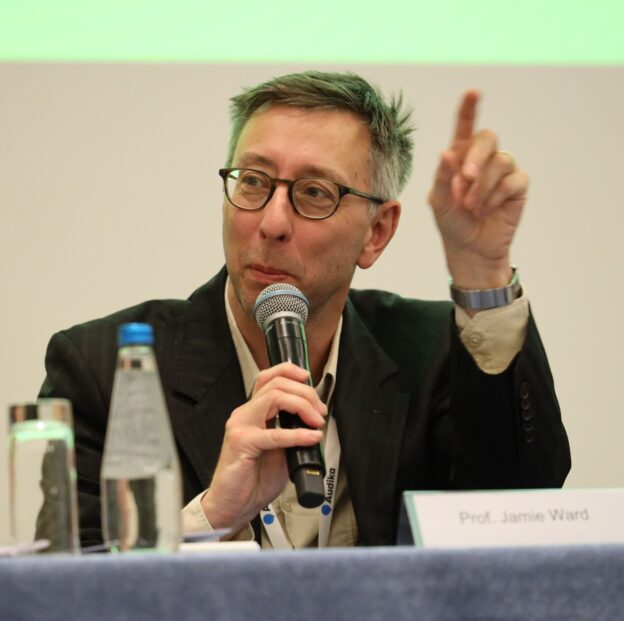
Professor Jamie Ward
School of Psychology, University of Sussex, UK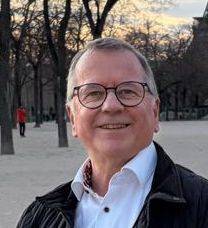
Professor Wolfgang Ellermeier
Institut für Psychologie, Technische Universität Darmstadt, Germany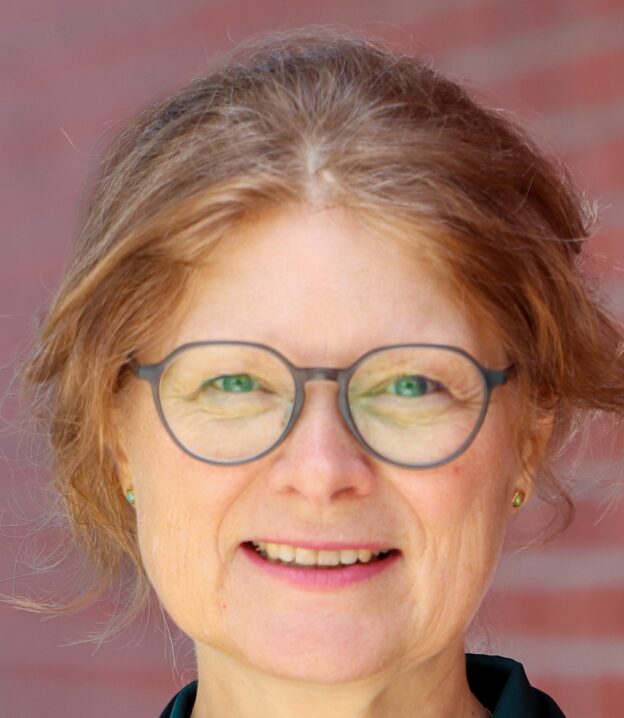
Professor Karin Zimmer
AE Empirische Bildungsforschung, Universität Vechta, Germany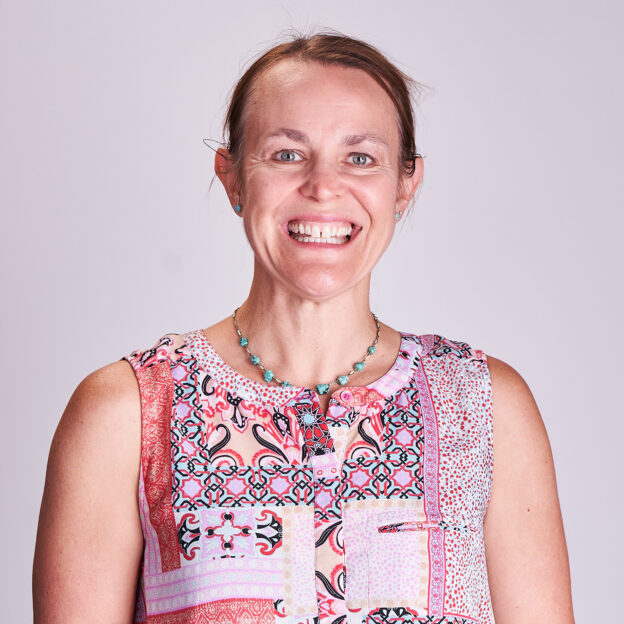
Professor Ann Perreau
Communication Sciences and Disorders, Augustana College, USA
Dr Kelly Jahn
Department of Speech, Language, and Hearing, The University of Texas at Dallas, USA
Dr. Michael Boedts
De Luisterkliniek, AZ Maria Middelares, Belgium
Professor Gerhard Andersson
Department of Behavioural Sciences and Learning, Linköping University, Sweden
Professor Brian C. J. Moore
Department of Psychology, University of Cambridge, UK
Professor Marlies Knipper
Tübingen Hearing Research Centre, University of Tübingen, GermanyOrganiser
Initiatives from Hashir International Institute
Past Conferences

Past Conference #3

Past Conference #2

Past Conference #1
News

TINNEXUS 2027: Connecting Science, Technology and Clinical Practice in Tinnitus
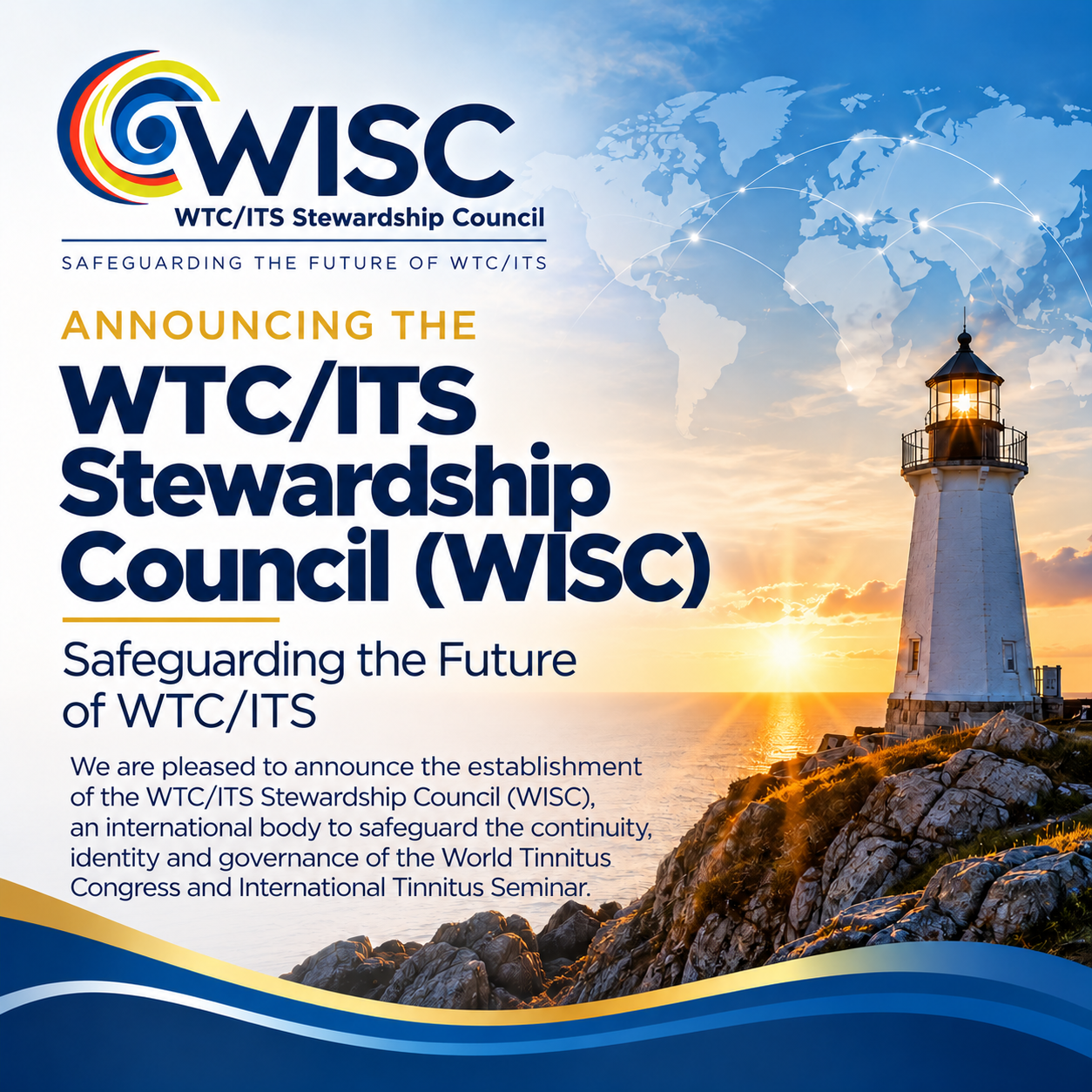
Announcing the WTC/ITS Stewardship Council (WISC)
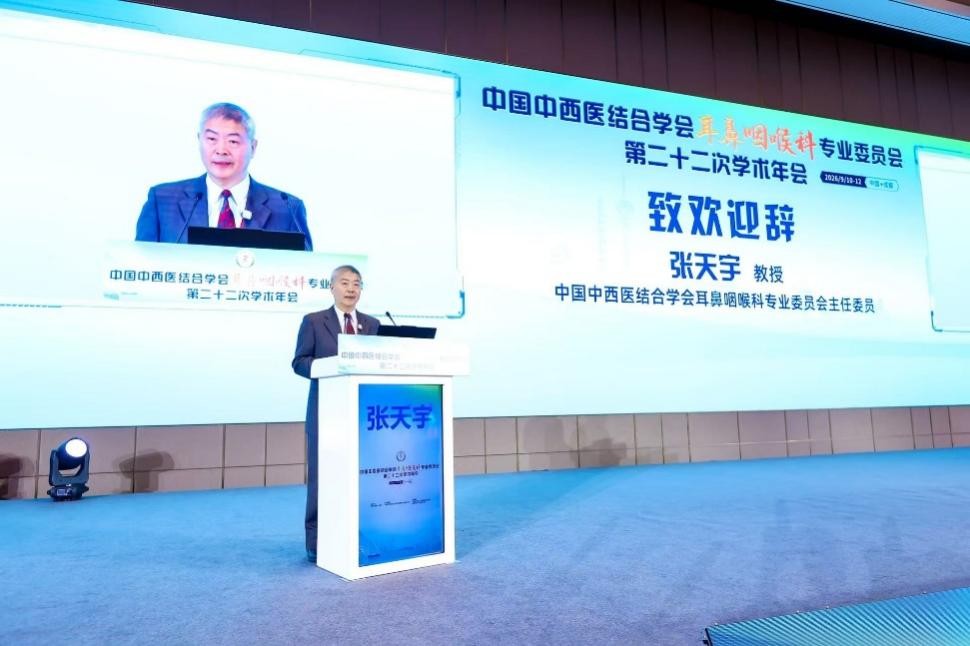
Experts Gather in Chengdu to Advance Integrated Chinese and Western Medicine for Tinnitus
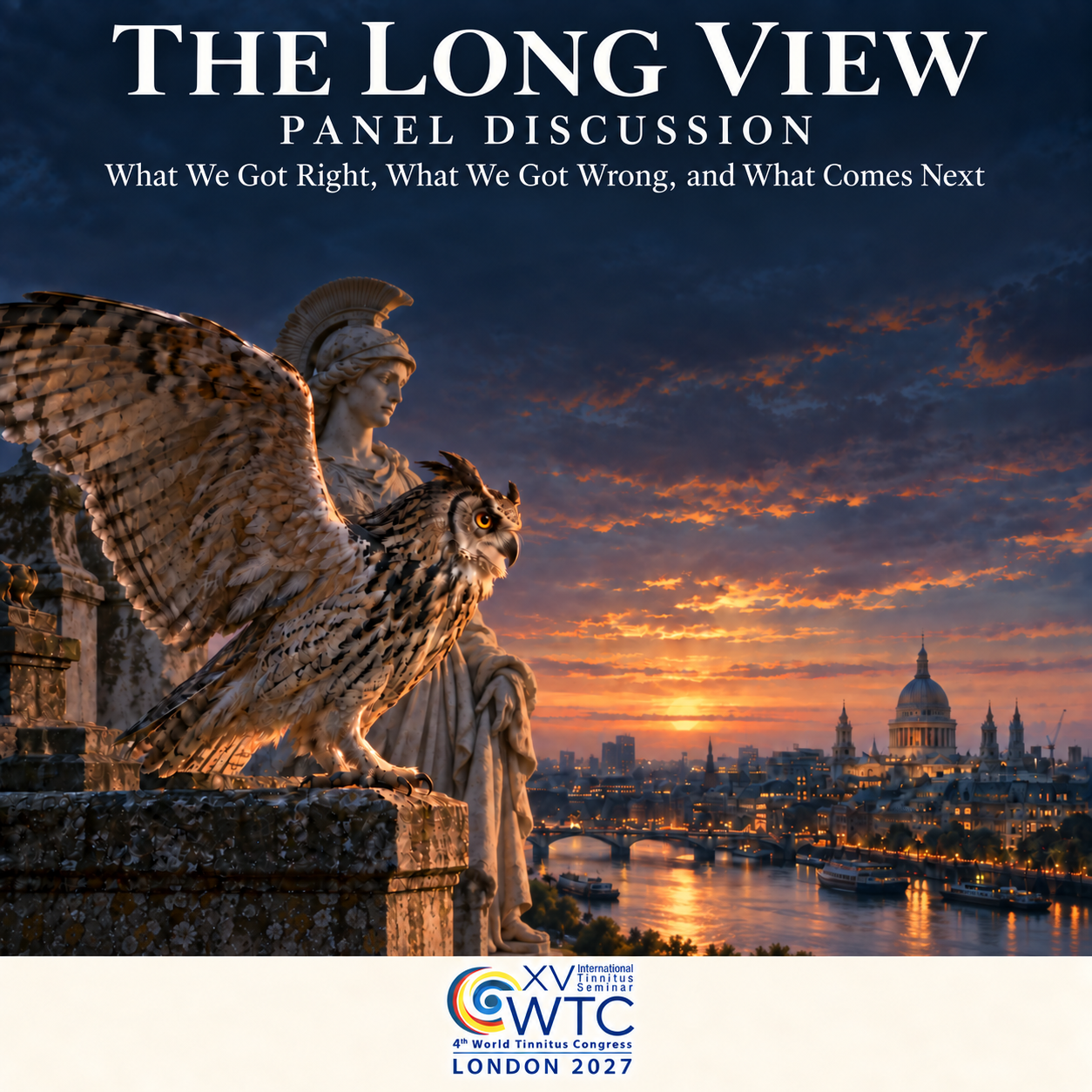
The Long View: Understanding Backwards, Living Forwards | A Panel Discussion at WTC/ITS London 2027
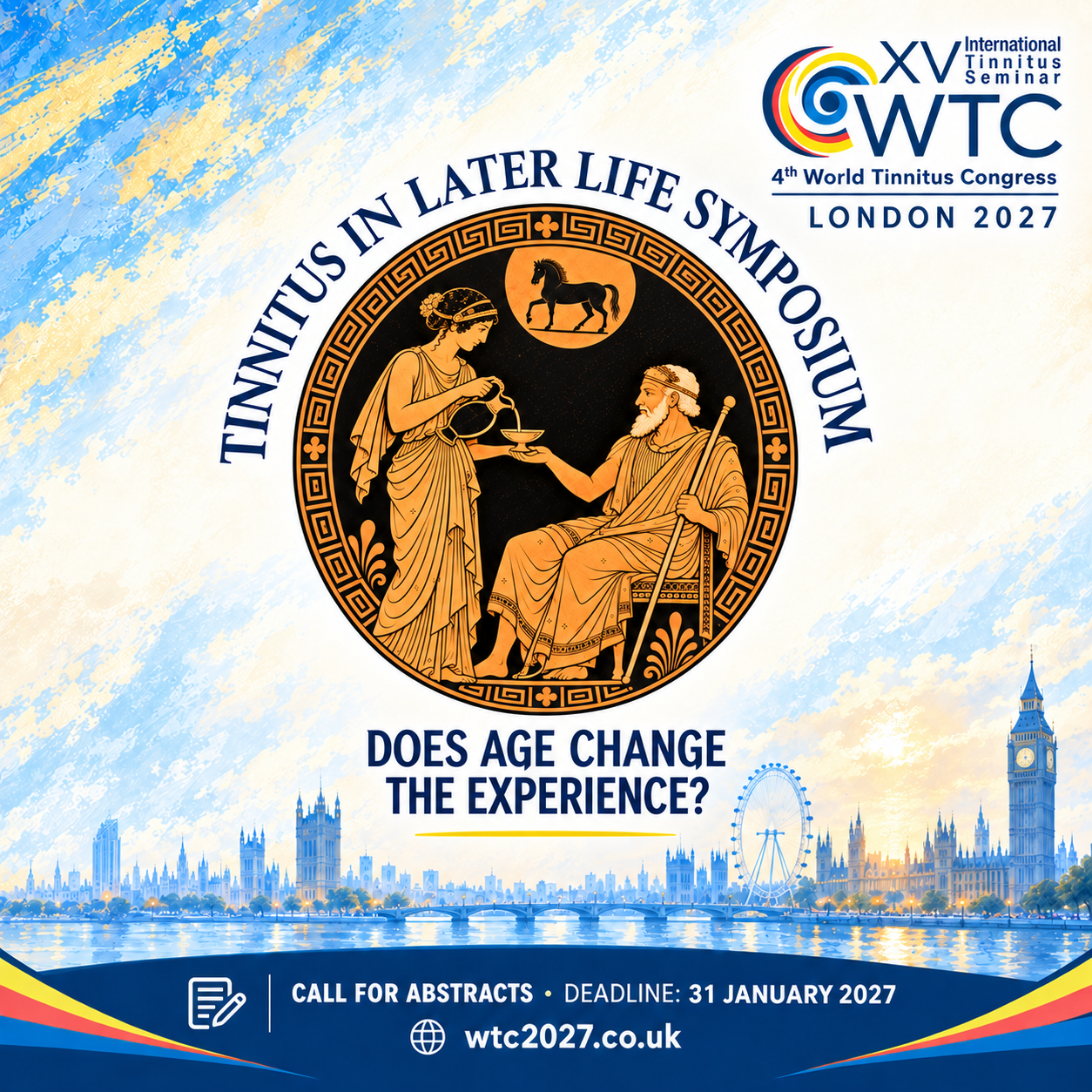
Tinnitus in Later Life Symposium: Does Age Change the Experience? Call for Abstracts
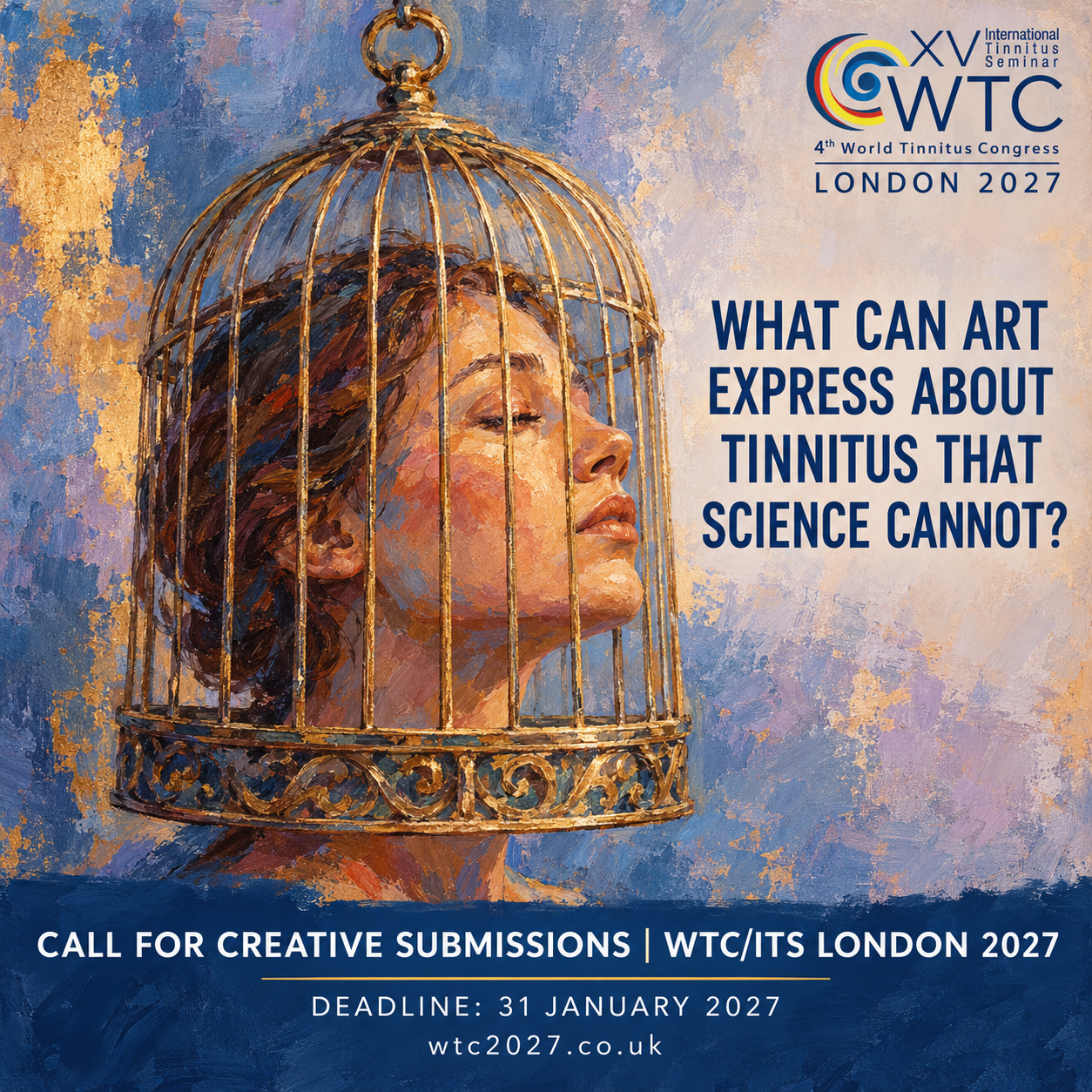
What Can Art Express About Tinnitus That Science Cannot?

Abstract submission and early-bird registration are now open for WTC/ITS London 2027.
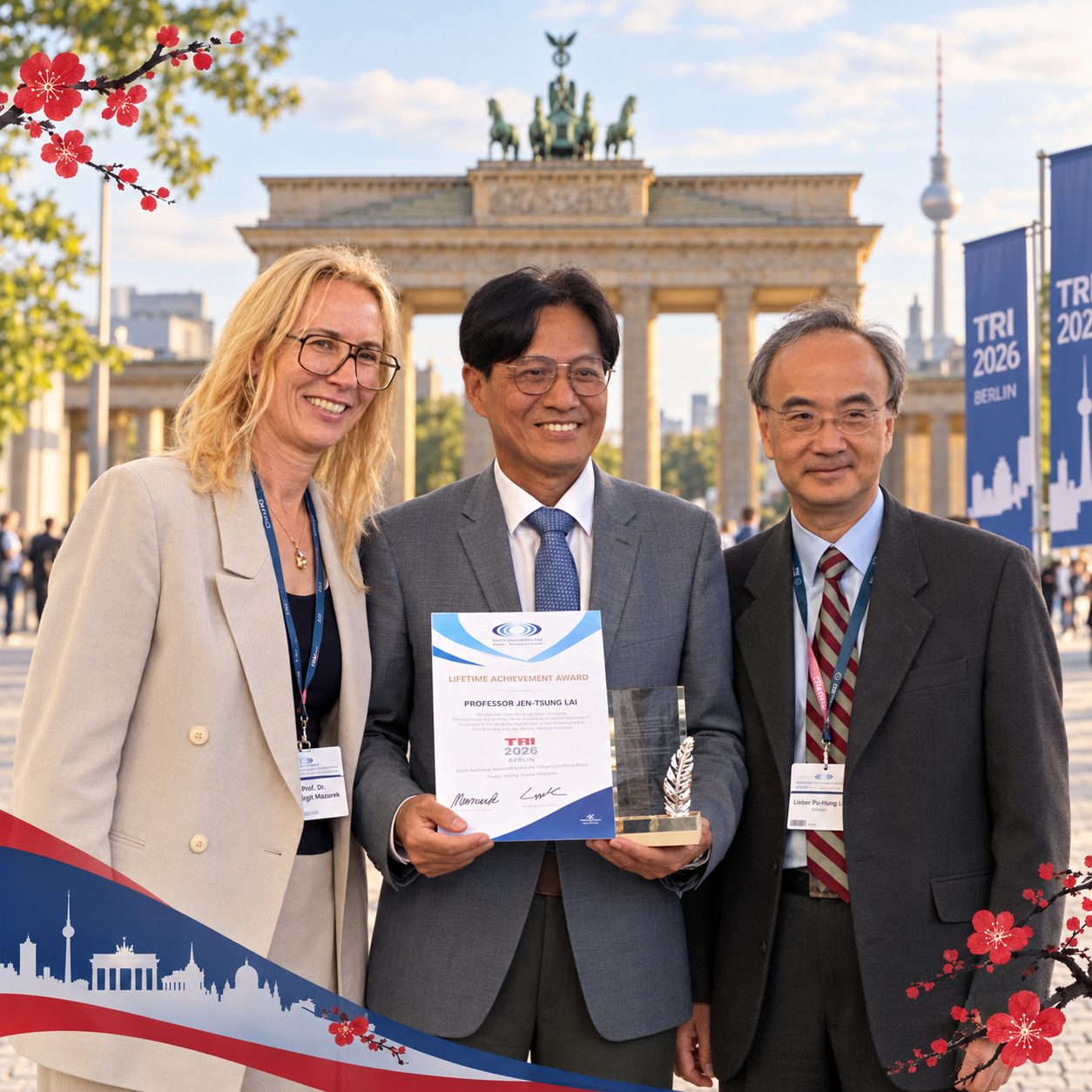
Professor Jen-Tsung Lai Receives Taiwan Tinnitus Association Lifetime Achievement Award at TRI 2026