Faculty and Programme
The full scientific programme for the 9th International Conference on Hyperacusis and Misophonia (ICHM9), taking place in London on 5–7 July 2028, will be released in due course. In the meantime, we are pleased to present an overview of the eleven scientific tracks that form the foundation of the conference, together with the confirmed faculty and track leaders. A complete faculty list will be published as the programme develops.
The theme of ICHM9, Rethinking Sound Intolerance: Taxonomy, Mechanisms and Multidisciplinary Care, will be explored through a carefully curated scientific programme that brings together leading researchers, clinicians and specialists from a broad range of disciplines.
The programme is organised around three interconnected areas: Taxonomy, Mechanisms and Multidisciplinary Care. The first examines how hyperacusis, noxacusis, misophonia, noise sensitivity and other forms of sound intolerance are defined, classified, measured and experienced. The second explores the auditory, neural, cognitive, emotional, behavioural and somatosensory mechanisms underlying these conditions. The third focuses on translating scientific understanding into effective interventions, interdisciplinary care pathways, accessible environments and health policy.
Across eleven scientific tracks, the programme encompasses conceptual definitions, psychometrics, clinical phenotyping, lived experience, auditory neuroscience, psychological and behavioural mechanisms, pain and somatosensory processing, neurodevelopment, psychological therapies, audiological and medical interventions, architectural acoustics, inclusive design, and the organisation of clinical services. Each track is guided by honorary scientific leaders who help shape its content, ensuring academic rigour, clinical relevance and opportunities for interdisciplinary exchange.
A central ambition of ICHM9 is to encourage dialogue between disciplines that have traditionally approached sound intolerance from different perspectives. By bringing together audiology, psychology, neuroscience, medicine, pain research, occupational therapy, acoustics, architecture and related fields, the conference aims to challenge existing assumptions, stimulate innovation and strengthen the connections between scientific discovery, clinical practice and lived experience.
ICHM9 seeks to advance a more coherent, scientifically grounded and multidisciplinary approach to sound intolerance, supporting progress in research, clinical care and the environments in which people live.
Scientific Faculty
Preliminary list – more names to be announced
Dr Hashir Aazh (UK)
Professor Gerhard Andersson (Sweden)
Professor Doris-Eva Bamiou (UK)
Dr Michael Boedts (Belgium)
Professor Caroline S. Clauss-Ehlers
Professor Ali A. Danesh (USA)
Silvia Di Bonaventura (UK)
Professor Wolfgang Ellermeier (Germany)
Dr Mercede Erfanian (The Netherlands)
Professor Gerhard Goebel (Germany)
Dr Kelly Jahn (USA)
Professor Marlies Knipper (Germany)
Professor Brian C.J. Moore (UK)
Professor Ann E. Perreau (USA)
Professor Piotr H. Skarżyński (Poland)
Dr Wei Sun (USA)
Professor Bart Vinck (Belgium)
Professor Jamie Ward (UK)
Professor Karin Zimmer (Germany)
Scientific Tracks
At ICHM9 London 2028, the scientific programme is organised into eleven themed sections called tracks. Each track represents a core area of research or clinical focus relating to hyperacusis, noxacusis, misophonia, noise sensitivity and other forms of sound intolerance. Together, the tracks encompass taxonomy and definitions, assessment and measurement, lived experience, underlying mechanisms, psychological and medical interventions, multidisciplinary care, environmental design and health policy. They help guide abstract submissions, facilitate coherent session planning and ensure that the full breadth of the field is represented.
Tracks are intended to be inclusive, not restrictive. They provide a thematic anchor for scientific contributions rather than rigid boundaries, encouraging dialogue and collaboration across disciplines.

Track 1: Definitions, Taxonomy and Phenomenology of Sound Intolerance
This track examines the conceptual foundations of sound intolerance, focusing on how hyperacusis, noxacusis, misophonia, noise sensitivity and related experiences are defined, distinguished and classified. It considers whether these terms describe discrete clinical conditions, overlapping phenomena or different dimensions of human responses to sound. Particular attention is given to the relationship between perceptual characteristics, emotional responses, physical discomfort, pain and functional consequences.
The track also welcomes philosophical and phenomenological investigations into the nature of sound intolerance, including questions about subjective experience, diagnostic boundaries and the relationship between perception and meaning. Contributions examining the historical development of terminology, challenging established assumptions and proposing alternative conceptual or taxonomic frameworks are particularly encouraged.
Key topics include:
- Definitions and diagnostic boundaries of sound intolerance conditions
- Taxonomic frameworks and relationships between clinical presentations
- Phenomenology and the subjective experience of sound
- Philosophical and conceptual foundations of sound intolerance
- Development of international terminology and classification systems
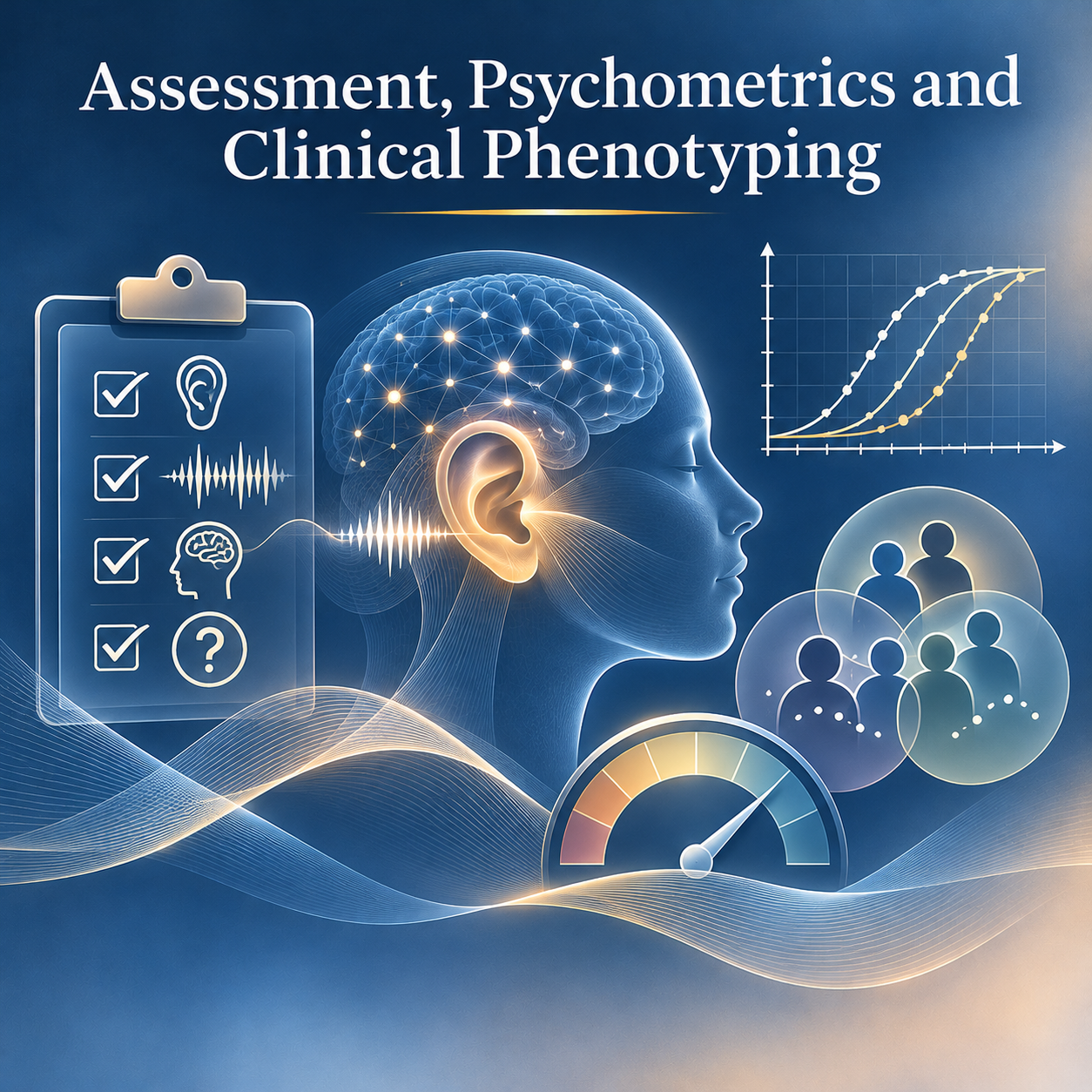
Track 2: Assessment, Psychometrics and Clinical Phenotyping
This track explores how sound intolerance can be assessed, measured and characterised using reliable, valid and clinically meaningful methods. It encompasses the development and validation of patient-reported outcome measures, psychoacoustic assessments, structured interviews, behavioural observations and other approaches to clinical evaluation. Particular attention is given to the measurement of symptom severity, functional impact and treatment outcomes.
The track also examines clinical phenotyping and the identification of meaningful patient subgroups. Research exploring relationships between subjective reports, physiological measures and clinical characteristics is encouraged, alongside studies evaluating diagnostic accuracy, measurement uncertainty and responsiveness to change. Contributions addressing assessment across different ages, populations, languages and healthcare settings are particularly welcome.
Key topics include:
- Questionnaire development, validation and psychometric evaluation
- Psychoacoustic testing and clinical assessment methods
- Clinical phenotyping and identification of patient subgroups
- Diagnostic accuracy, reliability and measurement uncertainty
- Outcome measurement and clinically meaningful change

Track 3: Lived Experience, Social Context and Cultural Perspectives
This track examines the lived experience of sound intolerance and its consequences for everyday life, relationships, education, employment and participation in society. It welcomes qualitative, sociological, anthropological and interdisciplinary research exploring how individuals understand, describe and navigate their experiences. Topics include identity, stigma, social isolation, coping, communication and the challenges of living in environments where exposure to unwanted sounds may be difficult to control.
The track also considers how cultural beliefs, social expectations, family relationships and institutional practices influence the interpretation and consequences of sound intolerance. Artistic and creative approaches are particularly welcome, including visual arts, literature, music, film and performance, as ways of exploring and communicating experiences that may be difficult to capture through conventional scientific methods. Contributions examining patient perspectives, inequalities, disability, accessibility and the representation of sound intolerance in different societies are encouraged.
Key topics include:
- Qualitative research and first-person accounts of sound intolerance
- Social participation, relationships, education and employment
- Stigma, identity, disability and social inequalities
- Cultural interpretations and societal attitudes towards sound intolerance
- Artistic expression, creative inquiry and representations of sound intolerance
- Patient perspectives, advocacy and participatory research
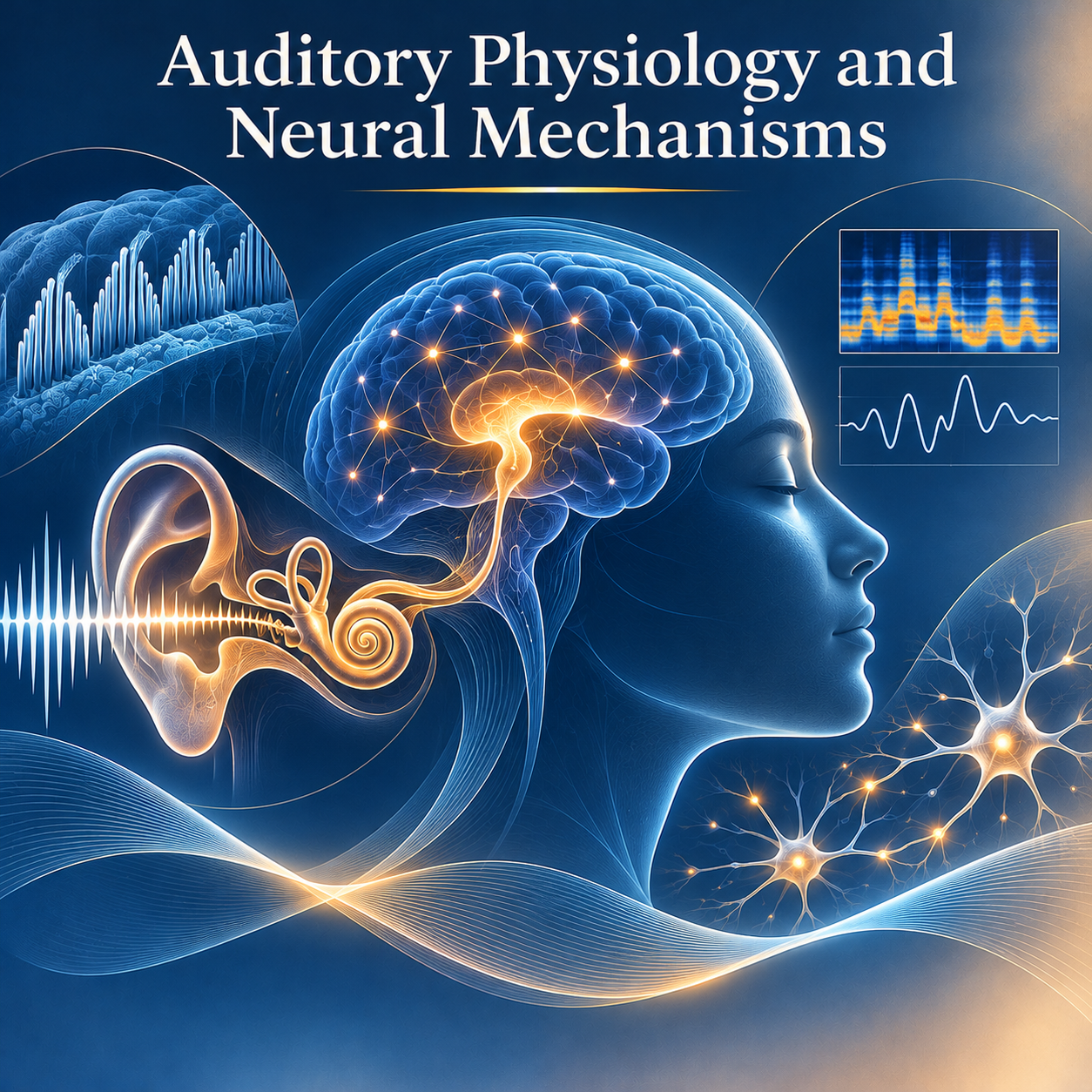
Track 4: Auditory Physiology and Neural Mechanisms
This track investigates the auditory and neural processes associated with sound intolerance, from peripheral auditory structures to central neural networks. Topics include auditory gain, neural excitability, synaptic transmission, efferent auditory pathways, neural plasticity and the processing of sound intensity and salience. Research using electrophysiology, neuroimaging, experimental models and other physiological methods is particularly encouraged.
The track also explores relationships between neural activity, auditory perception and individual differences in responses to sound. Contributions examining competing mechanistic hypotheses, interactions between peripheral and central processes, and the potential identification of physiological biomarkers are welcome. Particular attention is given to distinguishing established findings from emerging theories and developing experimentally testable explanations of sound intolerance.
Key topics include:
- Peripheral and central auditory mechanisms
- Neural gain, excitability, inhibition and plasticity
- Auditory pathways, brain networks and sensory processing
- Electrophysiology, neuroimaging and experimental models
- Physiological biomarkers and mechanistic hypotheses
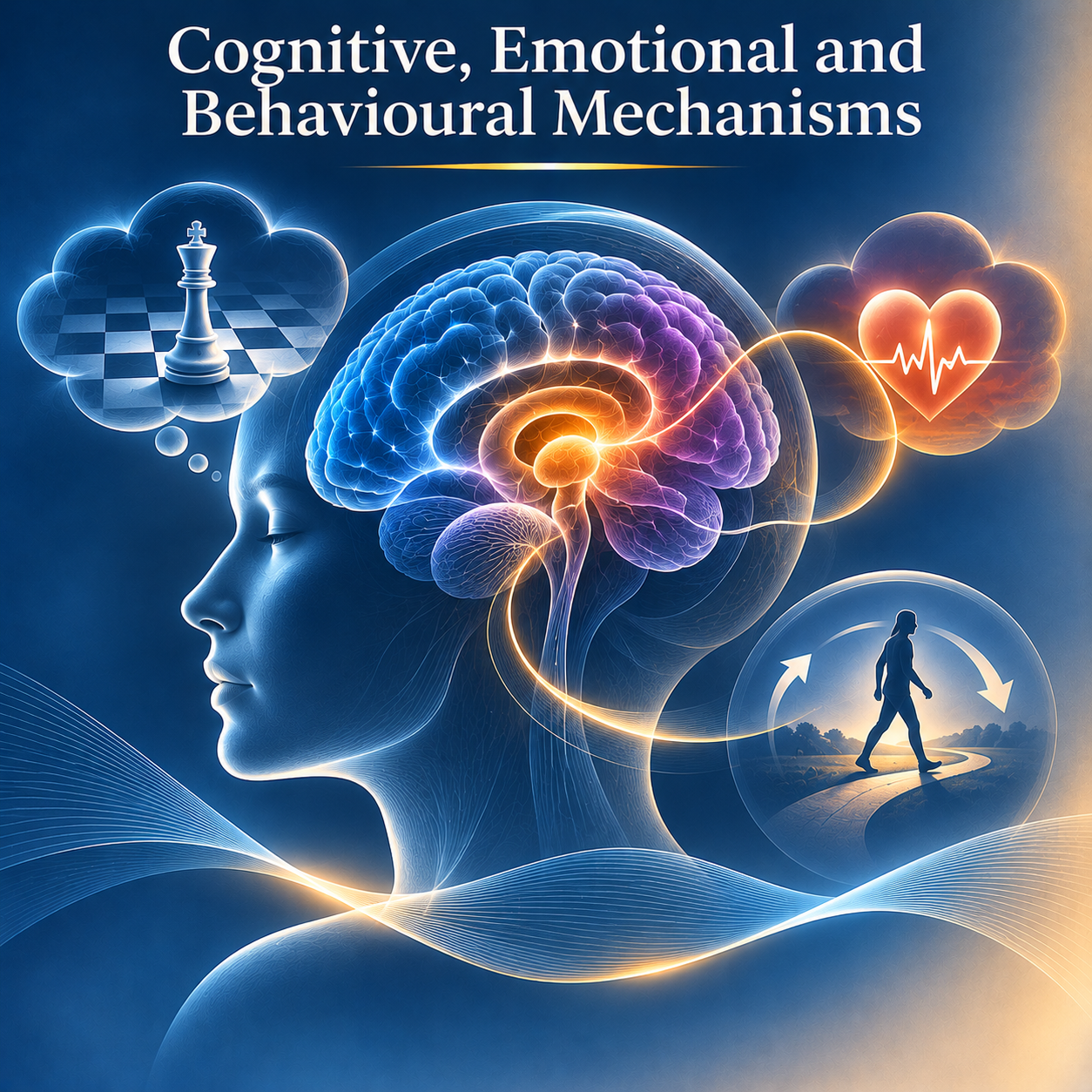
Track 5: Cognitive, Emotional and Behavioural Mechanisms
This track explores the cognitive, emotional and behavioural processes associated with the development, persistence and variability of sound intolerance. Topics include attention, learning, conditioning, emotional regulation, threat perception, cognitive appraisal, predictive processing and behavioural responses to sound. Research examining how particular sounds acquire emotional significance, become associated with anticipated discomfort or influence patterns of avoidance is especially relevant.
The track also considers individual differences in cognitive and emotional processing, including the roles of expectations, memory, beliefs and contextual information. Contributions integrating experimental psychology, cognitive neuroscience, behavioural science and computational approaches are encouraged. Unlike Track 8, which focuses on clinical interventions, this track concentrates on understanding the psychological and behavioural mechanisms that may inform future therapeutic developments.
Key topics include:
- Attention, perception and cognitive appraisal of sound
- Learning, conditioning and behavioural responses
- Emotional processing, regulation and threat perception
- Predictive processing, expectations and cognitive models
- Individual differences and psychological mechanisms of sound intolerance
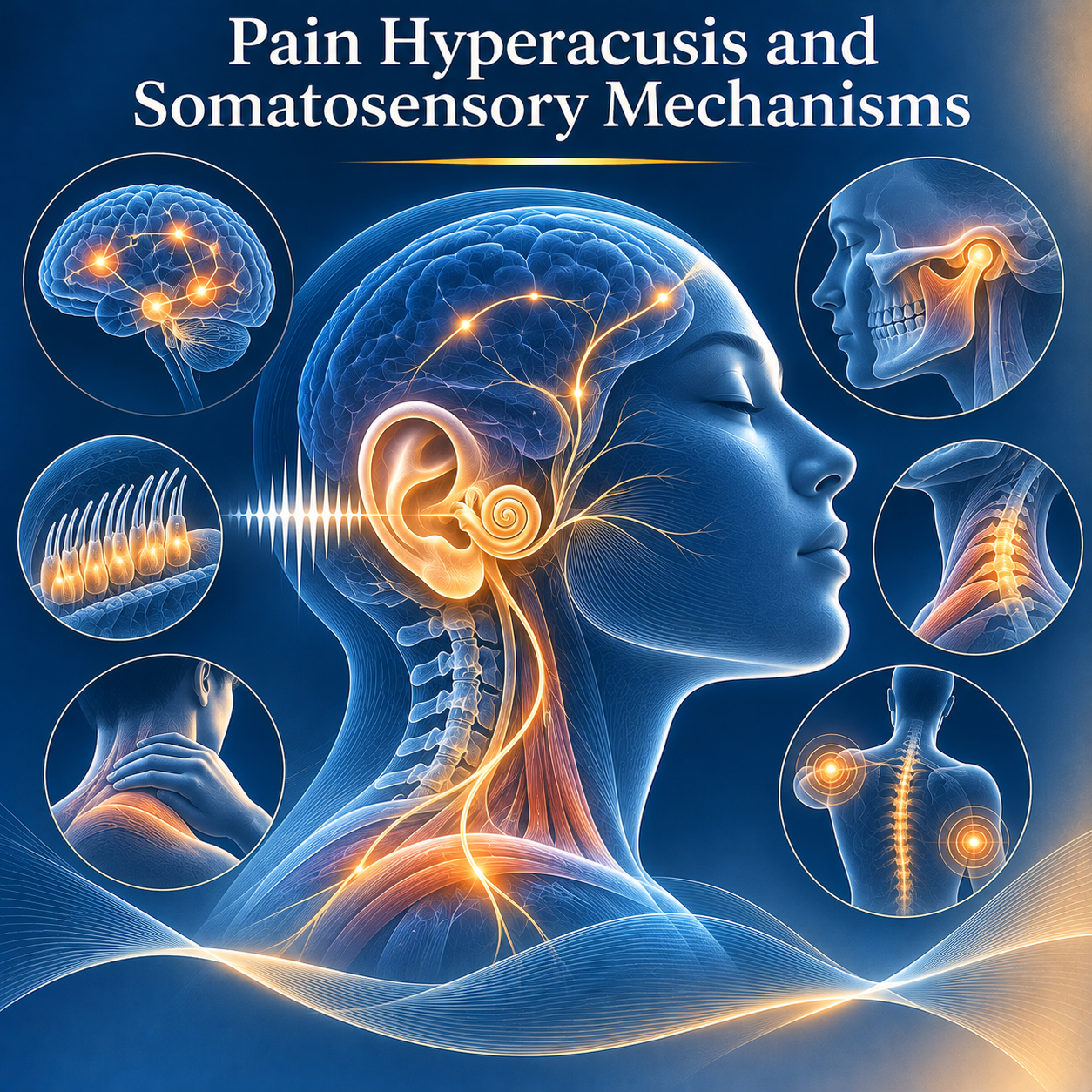
Track 6: Pain Hyperacusis and Somatosensory Mechanisms
This track focuses on sound-induced pain and the biological mechanisms potentially underlying pain hyperacusis and noxacusis. It examines the relationship between auditory stimulation, nociceptive processing and somatosensory systems, including proposed contributions from trigeminal pathways, middle-ear structures, peripheral neural mechanisms and central pain processing. Research investigating the characteristics, onset, persistence and variability of sound-induced pain is particularly welcome.
The track also encourages critical evaluation of competing mechanistic explanations, including hypotheses involving peripheral and central sensitisation, neural inflammation and interactions between auditory and somatosensory pathways. Experimental, clinical and translational studies are invited, particularly those seeking to distinguish sound-induced pain from other forms of sound intolerance. Contributions addressing assessment methods, biomarkers, clinical safety and implications for treatment development are encouraged.
Key topics include:
- Mechanisms of sound-induced pain and noxacusis
- Nociception, trigeminal pathways and somatosensory interactions
- Middle-ear physiology and peripheral auditory mechanisms
- Peripheral and central sensitisation hypotheses
- Experimental models, biomarkers and clinical implications
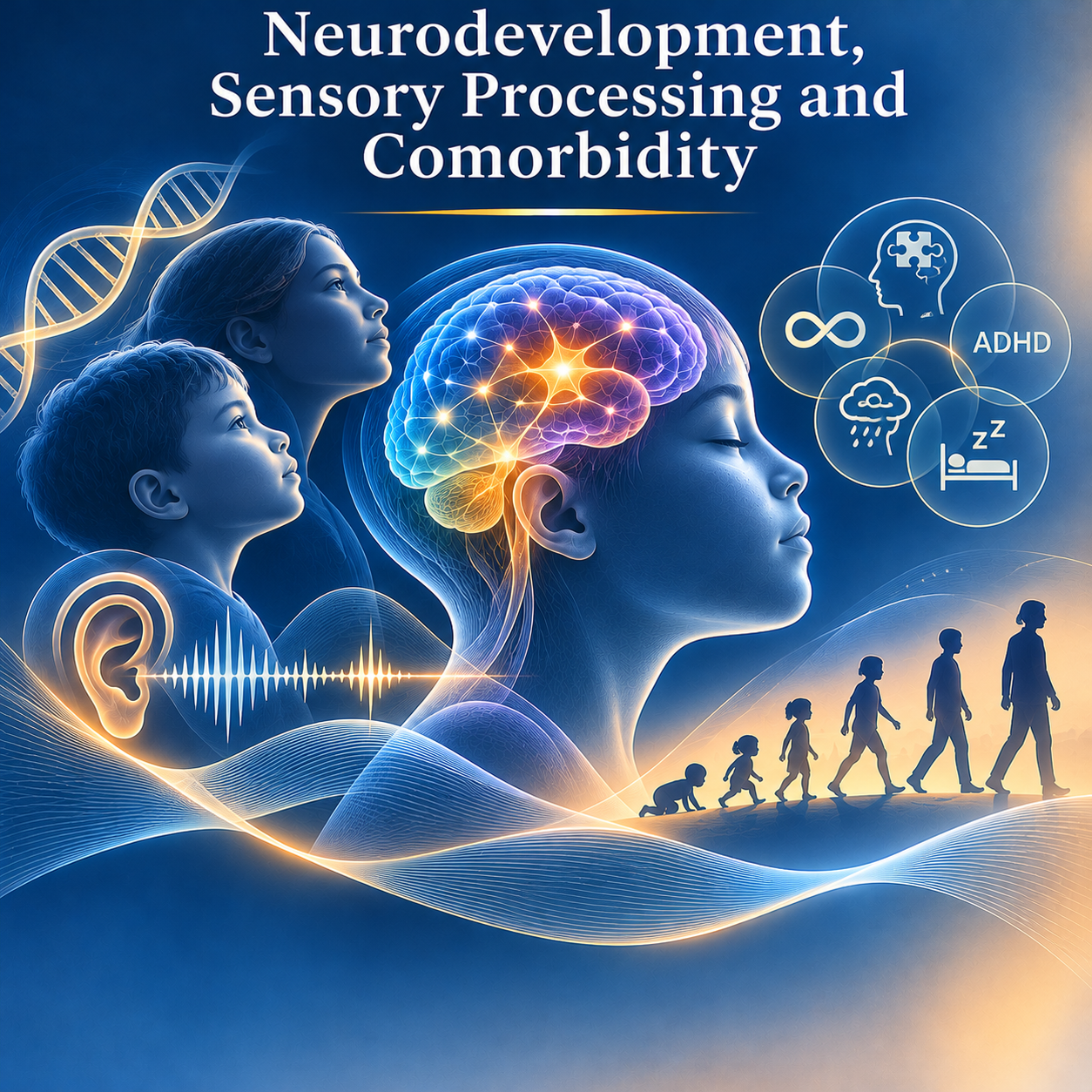
Track 7: Neurodevelopment, Sensory Processing and Comorbidity
This track examines sound intolerance in relation to neurodevelopmental, neurological and psychiatric conditions, including autism, ADHD and other presentations involving differences in sensory processing. It explores how auditory sensitivity and responses to sound may vary across individuals and developmental stages, considering perceptual, cognitive, emotional and behavioural characteristics. Research involving children, adolescents and adults is encouraged.
The track also investigates the relationships between sound intolerance and co-occurring conditions, including questions about shared mechanisms, overlapping symptoms and distinct clinical presentations. Contributions examining developmental trajectories, sensory processing profiles, individual variability and the influence of environmental and social factors are particularly welcome. The track aims to encourage dialogue between audiology, psychology, neuroscience, psychiatry, paediatrics and occupational therapy to improve understanding and support across different populations.
Key topics include:
- Sound intolerance in autism, ADHD and related conditions
- Sensory processing differences and individual variability
- Developmental trajectories across childhood and adulthood
- Comorbidity and overlapping clinical presentations
- Implications for assessment, support and interdisciplinary care

Track 8: Psychological and Behavioural Interventions
This track evaluates psychological and behavioural approaches to managing sound intolerance, including cognitive behavioural therapy, counselling, family-based interventions and other structured psychological treatments. It welcomes research examining intervention development, therapeutic processes, clinical effectiveness and patient-reported outcomes. Studies involving individual, group, remote and digitally delivered interventions are particularly relevant.
The track also explores how psychological interventions can be adapted to different forms of sound intolerance, patient characteristics and clinical contexts. Contributions examining treatment mechanisms, comparative effectiveness, long-term outcomes and potential adverse effects are encouraged. Particular attention is given to the quality of evidence, the development of clinically meaningful outcome measures and the practical challenges of implementing interventions across healthcare systems and professional disciplines.
Key topics include:
- Cognitive behavioural therapy and other psychological interventions
- Clinical trials, treatment outcomes and long-term effectiveness
- Therapeutic mechanisms and individualised treatment approaches
- Family interventions, counselling and behavioural strategies
- Digital delivery, accessibility and clinical implementation
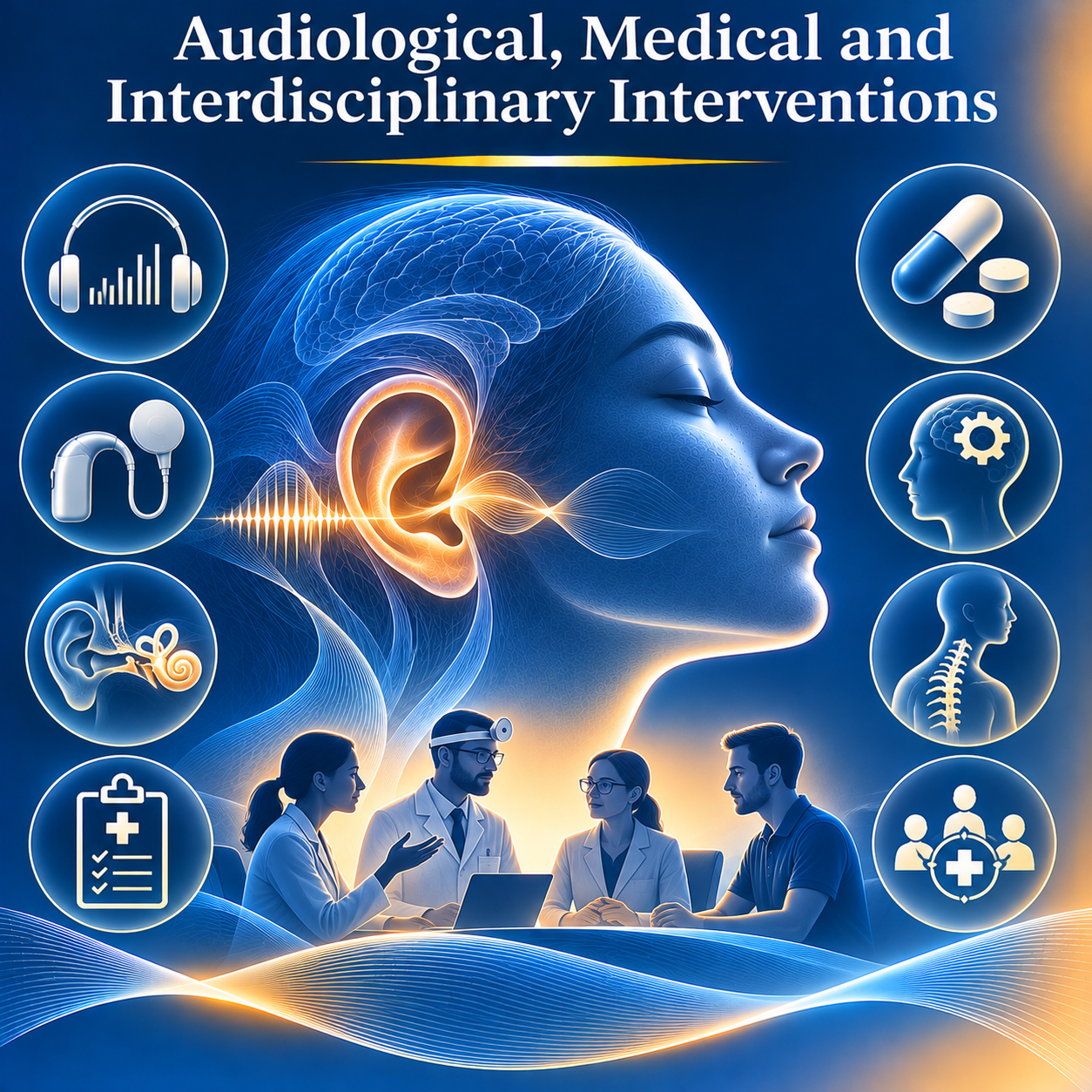
Track 9: Audiological, Medical and Interdisciplinary Interventions
This track explores audiological, medical and interdisciplinary approaches to assessing and managing sound intolerance. Topics include sound-based interventions, auditory rehabilitation, otological and neurological assessment, pharmacological approaches and other medical treatments. Research evaluating the effectiveness, safety and clinical indications of existing and emerging interventions is particularly encouraged.
The track also considers how different professional disciplines can contribute to comprehensive and coordinated care. Contributions examining collaborative approaches involving audiology, otolaryngology, neurology, psychology and other specialties are welcome, particularly where clinical presentations are complex or involve multiple contributing factors. Emphasis is placed on critically evaluating the available evidence, identifying potential benefits and harms, and developing approaches that are appropriate to individual patient needs.
Key topics include:
- Audiological assessment, rehabilitation and sound-based interventions
- Otological, neurological and medical evaluation
- Pharmacological and emerging medical treatments
- Treatment effectiveness, safety and clinical indications
- Interdisciplinary assessment and therapeutic approaches

Track 10: Architecture, Acoustics, Technology and Inclusive Design
This track explores how architecture, acoustic engineering, technology and environmental design can improve everyday life for people experiencing sound intolerance. It examines the acoustic characteristics of homes, schools, workplaces, healthcare facilities and public spaces, including how sound levels, reverberation, background noise and soundscape characteristics influence comfort, accessibility and participation.
The track also welcomes research into technological innovation, assistive devices, environmental modifications, sound monitoring and inclusive product design. Contributions bringing together acousticians, architects, engineers, designers, clinicians and people with lived experience are particularly encouraged. Emphasis is placed on developing practical and evidence-informed solutions that accommodate diverse sensory needs while balancing accessibility, usability and the wider functions of shared environments.
Key topics include:
- Architectural acoustics and environmental soundscape design
- Acoustic accessibility in schools, workplaces and public spaces
- Environmental modifications and inclusive building design
- Assistive technologies, sound monitoring and product innovation
- Participatory design and accommodation of diverse sensory needs
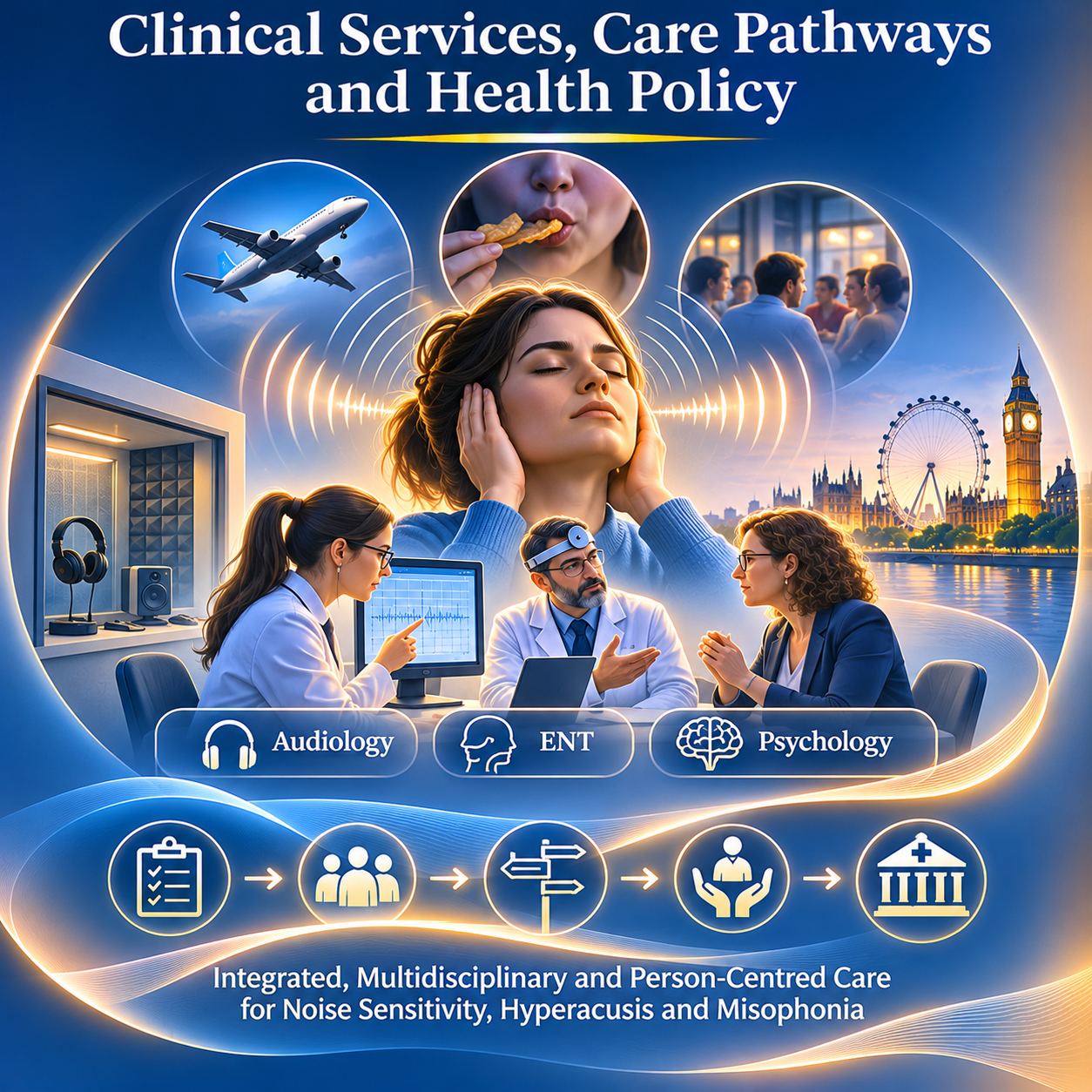
Track 11: Clinical Services, Care Pathways and Health Policy
This track examines how scientific evidence can inform the organisation, delivery and evaluation of clinical services for people experiencing sound intolerance. It explores multidisciplinary care models involving audiology, otolaryngology, psychology and other relevant specialties, with particular attention to screening, referral pathways, clinical guidelines and continuity of care. Research examining the accessibility, effectiveness and sustainability of existing services is encouraged.
The track also considers broader questions of healthcare organisation, professional education, workforce development, health economics and policy. Contributions investigating barriers to care, inequalities in service provision, implementation challenges and opportunities for international collaboration are particularly welcome. Emphasis is placed on translating research findings into practical service improvements and developing coordinated approaches that respond to the diverse needs of individuals experiencing hyperacusis, noxacusis, misophonia and noise sensitivity.
Key topics include:
- Multidisciplinary clinical services and integrated care models
- Screening, referral pathways and clinical guidelines
- Professional training and workforce development
- Health economics, healthcare policy and service evaluation
- Equitable access, implementation and international collaboration